
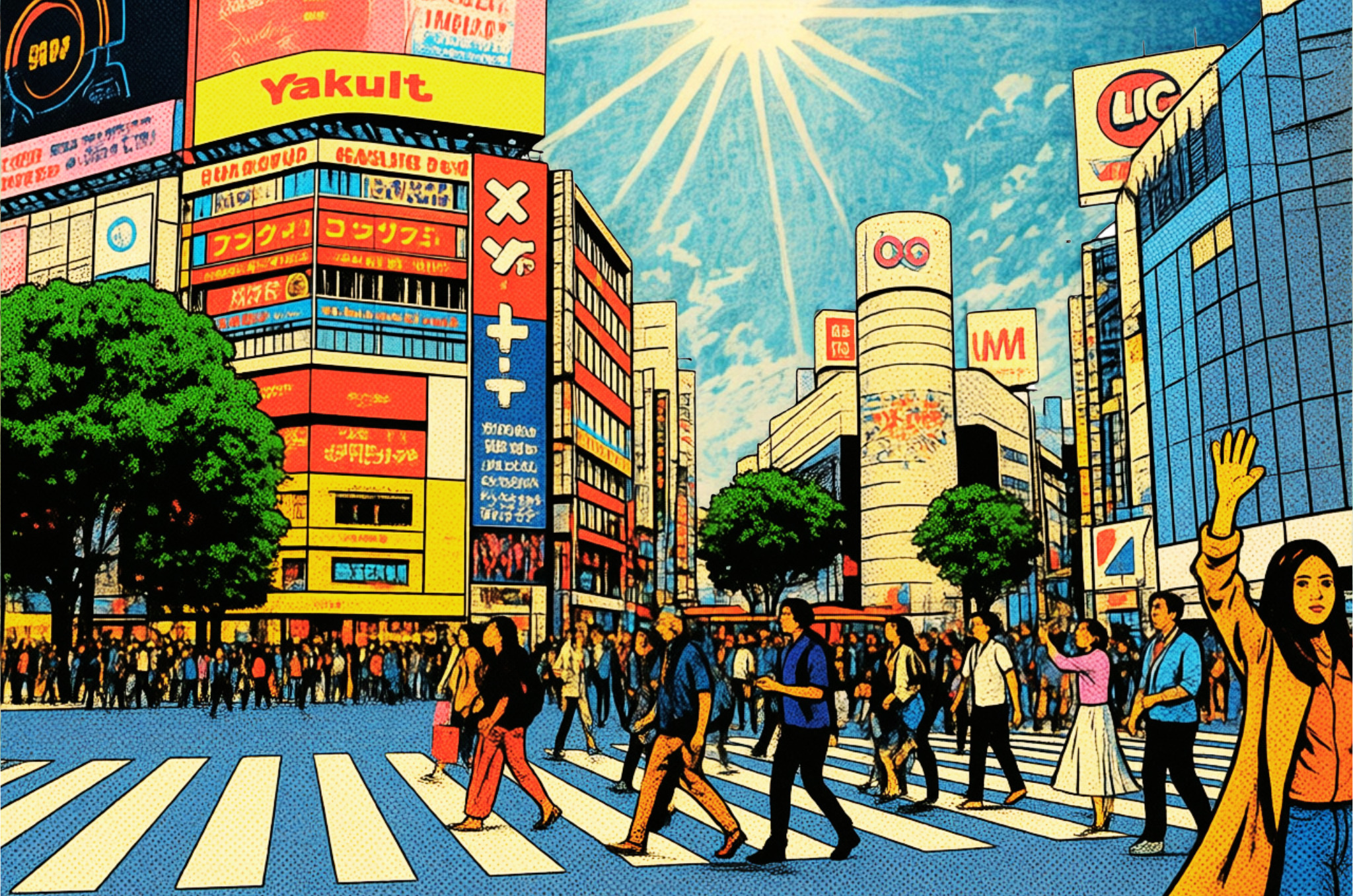
Tokyo’s combination of economic scale, global connectivity, and a renewed period of strategic growth makes the city one of the world’s more compelling destinations for international trade shows.
The pitch
A weaker yen, rising inbound tourism and renewed foreign investment are drawing the eye of businesses and organisers to Japan, and Tokyo itself is being repositioned as a hub for innovation and global collaboration.
If you have portfolios in technology, sustainability and advanced manufacturing, the city’s convergence of economic openness and strategic reinvention makes it highly relevant for organisers seeking scalable events in future-facing industries.
The capital of Japan (and fourth-largest economy in the world by nominal GDP), Tokyo provides exhibitors and buyers access to a vast, affluent domestic market alongside strong links to the wider Asia-Pacific region.
Most business leaders active in Asia will emphasise Japan’s importance as a centre for innovation and market opportunity, with success built on innovation, competition and the utilisation of talent.
Tokyo’s specific concentration of capital, talent and infrastructure, alongside the city’s scale and stability make it a strategic base for expansion into Asia, with a strong corporate sector that reinforces long-term growth prospects.
Japan ranks 29th globally in the World Bank’s Ease of Doing Business Index, placing it among the top 30 economies worldwide.
This ranking reflects a generally stable and transparent regulatory environment, with strong protections for property rights and established legal frameworks. However, businesses must also navigate certain complexities, including administrative procedures and language barriers.
Overall, Tokyo offers a balance of reliability and opportunity—particularly attractive for companies seeking a secure base in Asia.
Industrial performance and growth
Tokyo’s trade show calendar reflects both scale and diversity, spanning technology, fashion, manufacturing, and creative industries.
While Japan’s economy remains heavily industrial, with strengths in automotive manufacturing, electronics, and advanced machinery, Tokyo is increasingly focusing on high-growth sectors, including:
- Information and communication technology (ICT)
- Robotics and automation
- Green energy and sustainability
- Financial services and fintech
Policy discussions in Tokyo are currently focused on productivity, innovation, and the integration of technology with human capital as key drivers of future growth.
This shift creates strong alignment between trade shows and emerging industries, making the city an ideal platform for showcasing innovation and facilitating cross-border partnerships.
Industrial Clusters
- Finance
- Pharmaceutical
- Digital
- Urban Disaster Prevention
(Source: Japan National Tourism Organisation)
Academia and workforce
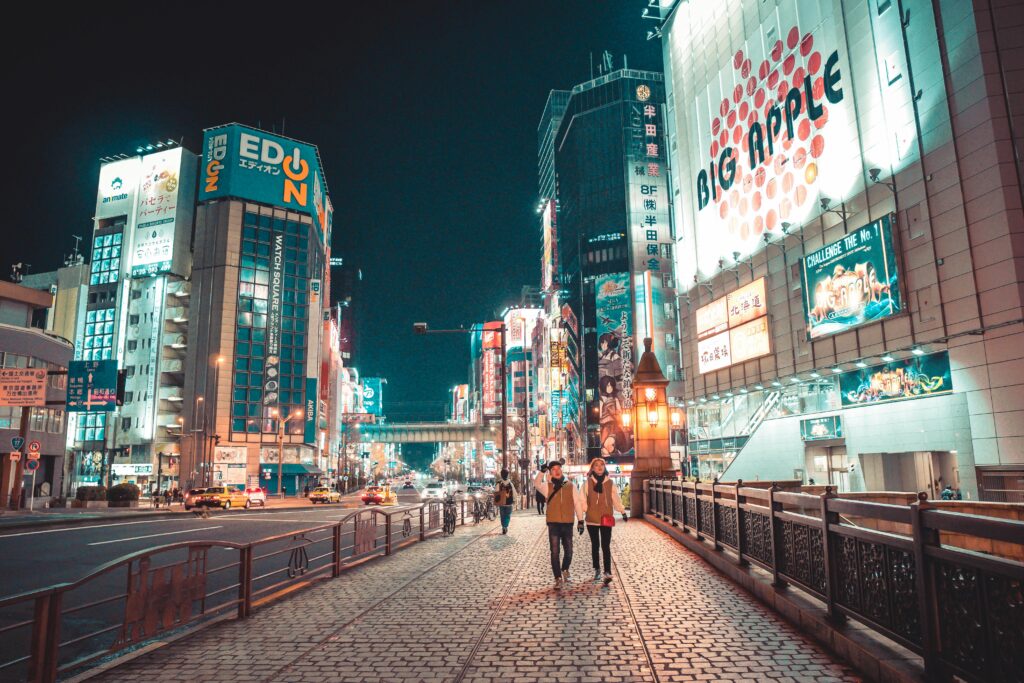
Japan’s capital is naturally home to some of Asia’s leading universities and research institutions, producing a highly skilled workforce. The city consistently ranks among the top global student cities, reflecting the quality of its academic environment and international appeal.
Students in Tokyo universities are increasingly trained in fields such as engineering, data science, robotics, and business management—skills closely aligned with the industries Japan is seeking to grow.
Moreover, Tokyo’s universities maintain strong links with industry, supporting innovation through research collaboration and technology transfer. This creates a pipeline of talent that enhances the value of trade shows by connecting exhibitors with both future employees and research partners.
Academic Clusters
- Advanced Medicine
- Regenerative Medicine
- Physics/Space Science
(Source: Japan National Tourism Organisation)
Organisers and shows
Tokyo is home to both leading global exhibition organisers and domestic operators. Organisations such as Reed Exhibitions (RX Global), Informa Markets, and Messe Frankfurt have established a presence in Japan, running sector-specific events in Tokyo across industries like technology, manufacturing, and healthcare.
Additionally, the operator of Tokyo Big Sight itself plays a major role in hosting and developing international exhibitions, collaborating with global partners to enhance Tokyo’s position as a leading MICE destination.Around 300 events take place in the city each year, drawing global audiences to venues such as its flagship exhibition venue, Tokyo Big Sight.
Significant events include the Japan Mobility Show (formerly Tokyo Motor Show), the Japan International Machine Tool Fair (JIMTOF), alongside globally renowned aerospace and security expos.
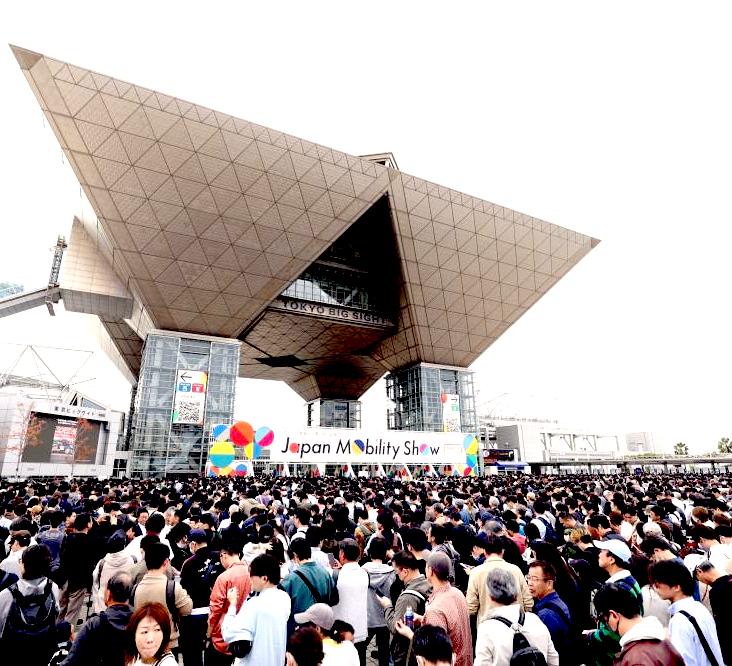
The Japan Mobility Show, for example, has evolved from a traditional automotive show into a broader platform covering next-generation mobility, electrification, and smart transport, demonstrating the local ability to adapt legacy industries into future-focused exhibition themes.
But while it is undoubtedly a sophisticated and mature event market, issues such as space, language and often impenetrable business practice can deter organisers working without a local partner.
But while it is undoubtedly a sophisticated and mature event market, issues such as space, language and often impenetrable business practice can deter organisers working without a local partner.
The infrastructure
| Airports | Tokyo is served by major international gateways including Haneda Airport, offering direct connections to around 50 global cities. |
| Venues | The city’s flagship venue, Tokyo Big Sight, is Japan’s largest convention centre, with over 115,000 square metres of exhibition space and 16 halls, located approximately 15 minutes from Haneda Airport and 30 minutes from central Tokyo. Additional venues such as Makuhari Messe and Pacifico Yokohama complement Tokyo Big Sight, creating a wider metropolitan exhibition ecosystem. |
| Nightlife | Tokyo offers a vast array of post-event venues in districts such as Roppongi, Shibuya, and Ginza, supporting networking and client entertainment. Combined with thousands of nearby hotel rooms and retail facilities, the city delivers a comprehensive MICE environment. |
The caveats
While it is undoubtedly a world-class destination, there are several reasons why a trade show organiser might hesitate to launch an event in Tokyo right now:
- Japan’s complex regulatory and business culture can slow market entry, particularly for foreign organisers unfamiliar with local practices
- High operational costs in Tokyo, including venue hire, staffing, and logistics, can erode margins despite strong attendance potential
- Capacity constraints at major venues such as Tokyo Big Sight mean organisers often face long lead times and limited availability for prime dates.
- While Tokyo’s events infrastructure is excellent, it is also concentrated, meaning bottlenecks in availability.
- Macroeconomic uncertainty, driven by currency volatility and uneven domestic consumption, can make revenue forecasting difficult
- Finally, demographic challenges, most notably Japan’s ageing population, raise specific concerns about long-term local audience growth and labour availability for large-scale events.
Expand the organisers’ view more generally to Japan, and it becomes apparent that these challenges reflect structural market characteristics rather than short-term anomalies. The country offers stability and sophistication, but the counterpoint is a relatively conservative business environment that can be difficult, at times impenetrable, for new entrants.
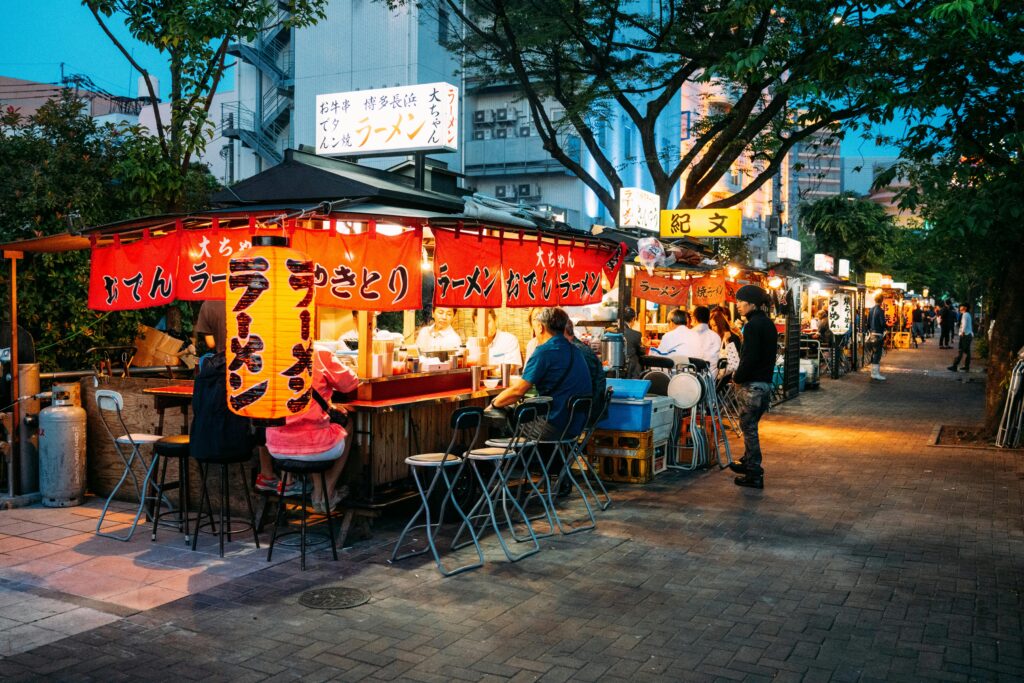
However, if you can overcome regulatory processes, language barriers and ingratiate yourself into Japan’s idiosyncratic relationship-driven business practices, then you can develop foundations and extend timelines for launching and scaling events.
Economically, while Japan remains a major global market, growth remains comparatively modest and regional competition from faster-growing exhibition hubs in Asia may dilute exhibitor interest. Little global attention is paid to secondary locations despite their economic prowess.
While Japan, and Tokyo in particular, offers high quality and reliability, it may require greater investment, patience and local expertise compared to more rapidly expanding exhibition markets.
Leave a Reply