
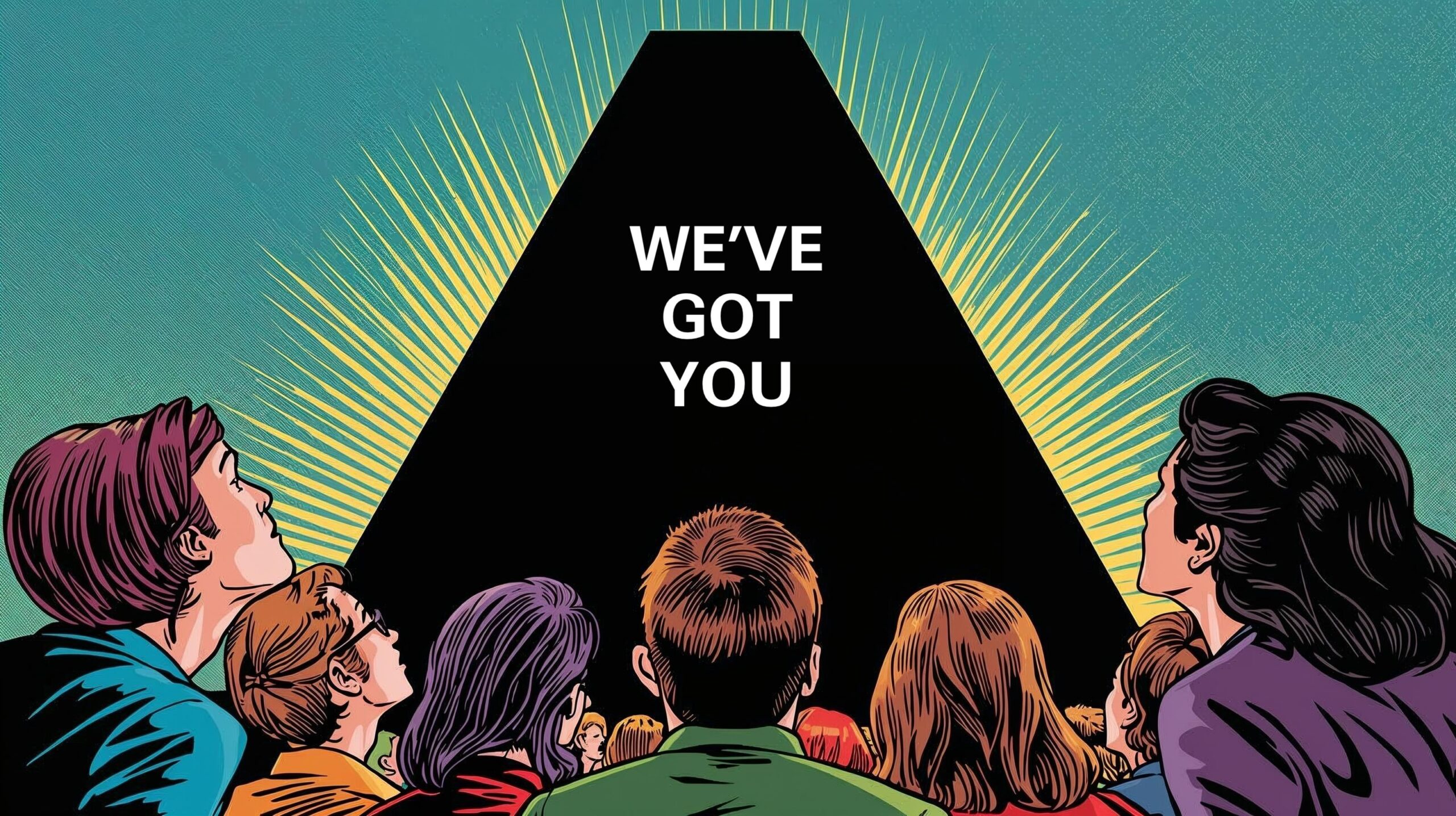
Trust takes a long time to build and very little time to lose, and for an industry in which our customers are also our product, trust is everything
When Brewdog co-founder James Watt issued his mea culpa last week, signalling the transition of the independent UK brand with a famously loyal following to its new Canadian owner Tilray, it was his small-stake investors I felt most sorry for.
For anyone unfamiliar with the brand, Brewdog is a Scottish brewery co-founded by Watt and Martin Dickie in Aberdeenshire in 2007. It grew to become the seventh largest beer brand in the UK, made famous by provocative marketing and PR stunts (fancy a pint of 41% ABV Sink The Bismarck, anyone?), and for its bestselling flagship brew, Punk IPA.
At the height of its success, the company was said to be worth more than $1 billion, owning and operating four breweries and more than 100 pubs around the world.
Last week it sold for £33 million. Almost 500 employees will lose their jobs. Watt and his co-founder walk away with an estimated £100 million from previous investments, each.
A different story indeed for those loyal customers who lost out financially, having invested in the company’s Equity For Punks scheme. They pumped around £100 million into the company they believed in, only to see it over-expand, develop a toxic workplace culture, disconnect from the community it built and enter administration.
“Are you heartbroken you gave the institutional investor preference over the equity punks, James? An arrangement that ensured we received no return on our investments?”
– Equity for Punks scheme member, online
These ‘punks’ are the type of loyal customers a beer brand prays for, the type of customer that returns to the shelf and the pub, year after year, to keep the rounds coming and the brand in business.
Brewdog overlooked them in pursuit of growth, overlooked its workforce in pursuit of margins, made a bunch of terribly misguided PR decisions and ceased being profitable from 2021 to 2024.
Watt went from hero to zero, just as other high-profile CEOs such as Elon Musk, WeWork’s Adam Neumann and, particularly here in Britain, UK Post Office Paula Vennells, prioritised dealmaking and hubris over the people who made them; transaction over relationship.
But why? According to research by Frederick Reichheld of Bain & Company (inventor of the Net Promoter Score), improving your customer retention rate by just five percent increases profits by between 25 and 95 percent. When the going gets tough, these are the customers you need, not least because these are the customers you already have.
Ignoring them in your hour of need is like soiling yourself in the office, and going home to change your shirt.
Customers are not a commodity

So why do so many, like Watt, treat their most trusted business element – our stakeholders and customers – like a commodity?
In the exhibition industry, we’ve spent years homogenising our visitors into attendance figures and square metres, while promoting the value of individual agency and serendipitous meetings aided by hidden forces and big data.
At the same time, we’ve spent years marginalising customer interactions so that we can minimise our teams, limiting engagement so that we can pursue new contracts; why pay someone to engage the client one-on-one when you can pay a faceless chatbot to engage the entire world at once.
But the exhibitor isn’t daft. They know our business model is predicated on the value of personal interaction, so to remove it from your dealings with them is to say that you do not value them. Even if you do.
Personalisation does not equal personal engagement. I know my email provider is profiling me when it silos my conversations. I know that my email to Dad about the misfiring car ushers in a million manufacturer adverts when I next fire up Facebook. The beneficiary was never intended to be me.
Personalisation-related profit arising from the illusion of one-to-one interaction, or in the case of Brewdog, joint ownership, has spawned an entire industry, and many, many others have sprung up to facilitate this behaviour.
However, our industry is built around doing business face-to-face. And if that doesn’t align with our customer service, then dissonance creeps in; a big issue where customer retention is through the floor.
The correlation here is that as technology and communications evolve, trust itself becomes an increasingly valuable business asset. The greater the sophistication of the wool, the more aware it can be pulled over our eyes.
Look at the emergence of ChatGPT as a means of communicating with one another online. That format of:
BIG STATEMENT
- Three
- Key
- Points
A BIG QUESTION?
A reprint of the BIG STATEMENT
… Indicates that the person posting it on LinkedIn probably didn’t take the time to write it themselves. Which is fine, we’re busy people, but that line of connection between the author and the audience is inauthentic, so the content is brought into question.
ChatGPT, incidentally, is another company that last week saw an enormous decline in trust when parent company OpenAI inked a deal with the US Dept of Defense to use ChatGPT in classified environments. According to this article by the Business and Human Rights Center, the backlash caused “a sharp spike in app uninstalls, a dip in downloads, and a surge in popularity for rival AI firm Anthropic”.
CEO Sam Altman acknowledged the backlash, admitting the announcement was rushed, “sloppy,” and appeared opportunistic, hastily clarifying that the deal would not be used for domestic surveillance of Americans.
But the damage done to last year’s highest new entry in the Kantar BrandZ table of the 100 most valuable global brands could have been avoided entirely if it had consulted with its customers in the first place.
Never prioritise the algorithm
Exhibitions’ true value lies in the fact they are fundamentally a push back against the ‘remote -together’ work ethic being facilitated by all the LLMs and online tools we use to conduct ourselves.
While The Algorithm is the primary customer for many businesses, our primary customer must always be the people who spend their marketing dollars on a few square metres in our halls, or a creative brand activation that shows them we are actually listening.
They trust us to do what’s best for them, and that trust requires genuine personal connection.
Anything less and there are plenty of businesses out there who will disregard them with far greater finesse.
Leave a Reply